

Dealership blog
Toyota Maintenance Schedule Guide Unveiled
Author: Centennial Toyota
Welcome to your personalized maintenance guide, designed specifically for drivers in and around Las Vegas! Whether you’re cruising down the Las Vegas Strip, navigating the bustling streets of North Las Vegas, or heading out to the scenic Red Rock Canyon from Henderson, you’re likely to encounter unique driving conditions that require tailored care for your Toyota. At Centennial Toyota, we have decades of experience serving our community, and we understand how the desert climate and local roads can impact your vehicle’s performance. This guide will help you keep your Toyota in top shape, ensuring it meets the demands of everyday life in vibrant neighborhoods like Spring Valley, Summerlin, Sunrise Manor, and Summerlin South.
Why Should You Follow a Maintenance Schedule for Your Toyota?
Adhering to a maintenance schedule is crucial for protecting your investment in your Toyota and ensuring it remains reliable, especially in the unique climate of Las Vegas. The heat can place extra strain on fluids, belts, and filters, while the humidity and seasonal pollen can clog air filters and affect performance. Regular service helps you manage these local challenges effectively.
By keeping up with maintenance, you enhance your vehicle’s performance and fuel efficiency, which is particularly important for those daily commutes along I-15 or navigating the busy Las Vegas Strip. Regular check-ups not only prevent breakdowns but also ensure your Toyota operates as designed, giving you peace of mind whether you’re heading to Downtown Summerlin for shopping or taking a weekend trip to Red Rock Canyon. For further insights on vehicle care, resources like Edmunds provide valuable information.
How Does Toyota’s Service Reminder System Work?
Many Toyota vehicles are equipped to notify drivers when it’s time for routine maintenance. Depending on the specific model and year, these notifications can either be time/mileage-based reminders or usage-aware alerts that adjust based on how the vehicle is driven. This flexibility is designed to prompt you to check the recommended service intervals for your vehicle.
When maintenance is due, you might see a message on your dashboard, a service indicator (like a wrench light), a maintenance reminder, or possibly an oil-life percentage. The exact nature of these notifications can vary widely among models, so it’s important to refer to your owner’s manual for the precise details. Additionally, local driving conditions in areas like Las Vegas, where short trips and stop-and-go traffic are common, can influence how often you need to service your vehicle.
What Does the Primary Service Reminder Mean?
Understanding your vehicle’s primary service reminder is crucial for maintaining its health. This reminder acts as a general alert that scheduled maintenance is either due or approaching. Depending on the vehicle, this may manifest as a simple warning light or message, while others may offer more detailed information through a maintenance menu, descriptive text, or symbols. To determine the specific services required, always refer to your owner’s manual or the in-vehicle maintenance screen.
Primary reminder: This is a broad indication that it’s time to check your vehicle’s maintenance schedule and plan for service. It signals that maintenance is due, but specifics may not be listed.
Additional details (if shown): Some vehicles provide extra context, such as a maintenance menu or percentage indicator, which can help clarify what services are needed. If your vehicle includes these details, consult them alongside the owner’s manual for accurate service recommendations.
What Do Additional Service Indicators Mean?
Many vehicles include additional service indicators that go beyond the primary reminders. These may come in the form of extra items, symbols, or menu entries that provide clarity on what maintenance is needed. While not every Toyota model displays these details, understanding them can help you stay on top of vehicle care. Below are some common examples of service items you might see, though their specific meanings can vary by vehicle.
- Tire rotation: Regular tire rotation helps ensure even tread wear and stable handling. In Las Vegas, frequent stop-and-go traffic or highway driving to North Las Vegas or Henderson can affect how quickly tires wear, making this service important.
- Engine and cabin air filters: These filters are essential for maintaining airflow to the engine and ensuring good air quality inside the vehicle. With the dust and seasonal pollen common around Summerlin and Spring Valley, these filters may need replacement more often.
- Transmission fluid: Monitoring transmission fluid is crucial for long-term vehicle health. In situations with repeated short trips or hilly driving, such as around Red Rock Canyon, your transmission may experience additional stress.
- Spark plugs and valve clearance check (when applicable): Some engines require spark plug replacement at regular intervals, and certain designs may also call for a valve clearance inspection, especially as mileage increases.
- Engine coolant: This fluid is vital for regulating engine temperature. Hot weather and heavy loads, typical in summer months, can elevate the demands on your cooling system.
- Rear differential fluid (AWD/4WD, if equipped): For vehicles with all-wheel or four-wheel drive, maintaining the differential fluid is important, especially if you drive in wet conditions or on uneven surfaces common around the Las Vegas area.
- Brake fluid: Brake fluid can absorb moisture over time, which can compromise braking efficiency. It’s essential to follow the recommended service intervals based on your specific vehicle and driving conditions.
What is a Typical Toyota Service Schedule for Las Vegas Drivers?
While your Toyota may include in-vehicle service reminders, having a general understanding of a typical service timeline can help you plan ahead for maintenance. This overview serves as a helpful reference that complements the owner’s manual and any service reminder information (if equipped). It’s tailored to the driving conditions of Nevada, which often include short trips, stop-and-go traffic, highway driving, and significant temperature variations.
What Services Are Needed in the First 30,000 Miles?
During the initial 30,000 miles of ownership, drivers typically focus on fundamental services to keep their vehicles running smoothly. This often includes routine oil changes, tire rotations, and monitoring of air filters. The specific timing for these services can vary based on your Toyota model, driving habits, and the guidance found in the vehicle’s owner’s manual.
Oil service: For many Toyota vehicles, oil service might be suggested anywhere from several thousand miles up to approximately 10,000 miles, depending on usage patterns. If you’re frequently driving in stop-and-go traffic around Las Vegas or North Las Vegas—such as on Charleston Boulevard or during the busy tourist season—it’s likely you’ll need to schedule these services more frequently than if you mostly drive on highways.
Tires and filters: Tire rotations are commonly performed at intervals that may align with oil changes or at regular mileage milestones, ensuring even wear. Additionally, engine and cabin air filters require regular attention, especially in areas like Henderson and Summerlin where dust and pollen can accumulate quickly due to construction and desert conditions. Many drivers find themselves replacing these filters between 15,000 and 30,000 miles, depending on the environmental factors they encounter.
What Maintenance Should Be Done Between 30,000 and 60,000 Miles?
As your Toyota approaches the 30,000 to 60,000 mile range, maintenance becomes increasingly crucial for safeguarding its performance and longevity. The specific services required can vary based on your vehicle model, powertrain, and driving habits, so it’s essential to consult your owner’s manual and in-vehicle maintenance alerts for tailored guidance.
For those looking to compare vehicle reliability and owner satisfaction across different Toyota models, Consumer Reports offers valuable insights.
What Major Services are Required Approaching 100,000 Miles?
As vehicles near the 100,000-mile mark, certain maintenance tasks often come into play, which are crucial for maintaining longevity and reliability. It’s important to check your owner’s manual for specifics, as not every Toyota model will require the same services at this stage.
Spark plugs: Fresh spark plugs can enhance fuel efficiency, ensure smooth starts, and maintain overall engine reliability—key aspects for handling the demands of Las Vegas traffic.
Timing belt (if equipped) and coolant service: Some older Toyota engines utilize timing belts that require periodic replacement, while many newer models are designed with timing chains that typically do not have a routine replacement interval. Additionally, coolant service, involving a flush and replacement, helps protect the cooling system from corrosion and overheating, especially important during the hot Las Vegas summers. Staying on top of these services not only supports reliability but can also positively impact your vehicle’s resale value.
Why is Local Expertise Important for Servicing Your Toyota?
Having a service team that understands the local climate, roads, and driving habits is invaluable for maintaining your Toyota. In Las Vegas, for example, the intense summer heat and humidity can strain your vehicle’s A/C system and engine components. Additionally, the fine desert dust can clog air filters, while the unique clay soil in our region can affect tire wear. Our technicians at Centennial Toyota are well-versed in these specific conditions, regularly inspecting for wear patterns caused by local driving — whether it’s navigating the heavy traffic on the Las Vegas Strip or the more rural routes around Summerlin and Henderson. This local expertise ensures that your vehicle is not just maintained, but optimized for the environment in which it operates.
For further insights on automotive safety, visit the National Highway Traffic Safety Administration (NHTSA) for essential information, along with the official Toyota Owners site for details specific to your model.
Frequently Asked Questions (FAQs)
What are typical wait times for service appointments at Centennial Toyota?
Centennial Toyota strives to minimize delays by efficiently scheduling and managing service bays.
How can I minimize my wait time during a service visit?
Consider scheduling your service appointment online or during off-peak hours. Centennial Toyota’s team is dedicated to keeping you informed throughout the process.
What should I do if my vehicle is not serviced in a timely manner?
If you’re experiencing delays, please communicate with Centennial Toyota’s service team. They will address your concerns promptly.
Are there specific times when wait times are shorter?
Service wait times are often shorter during weekdays, especially in the mornings. Centennial Toyota recommends booking your appointment early in the week.
How often should I change my oil in Las Vegas’s climate?
Consult your vehicle’s maintenance monitoring system for the best oil change intervals.
Is all-wheel drive (AWD) beneficial for Las Vegas drivers?
AWD can enhance vehicle stability and traction, particularly useful during rare rainstorms or when navigating desert terrain.
About Centennial Toyota
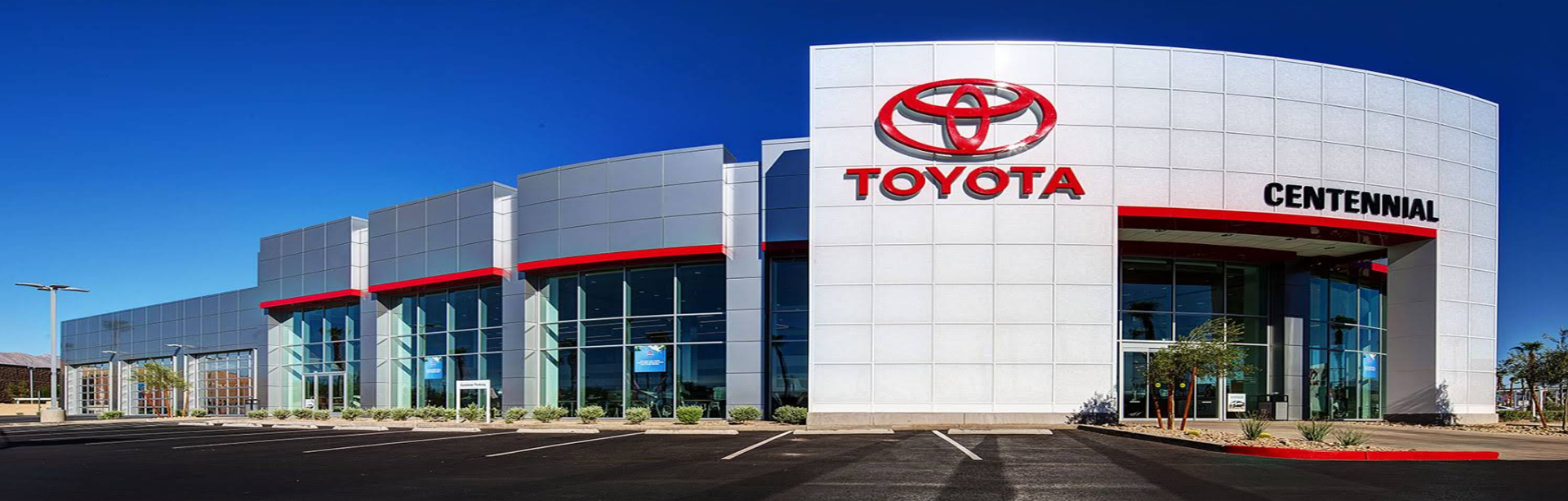
At Centennial Toyota, we take pride in being a premier automotive authority serving the Las Vegas, Summerlin, and Henderson communities. Since our founding in 2003, we have dedicated ourselves to excellence, earning the prestigious Toyota President’s Award for our unwavering commitment to customer satisfaction and service standards. Our expertise is built on over two decades of industry leadership and a team of factory trained technicians who ensure every vehicle meets the highest benchmarks of reliability. We are deeply rooted in our local neighborhoods through active support of organizations like the Candlelighters Childhood Cancer Foundation and Make-A-Wish Southern Nevada. When you partner with us, you are choosing a dealership that combines technical mastery with a long-standing history of community reinvestment and professional integrity.
Related Articles:
The Ultimate Guide to Finding the Best Toyota Dealer in Las Vegas, NV